Nicotine Pouches or Traditional Tobacco Products: Which Suits You?
Adult smokers and nicotine users in the UK often weigh the same practical question: stick with familiar tobacco products, or switch to a smoke-free option such as nicotine pouches. Both contain nicotine, but they differ in how they are used, what they produce, how they are perceived around other people, and how much choice there is in strength and flavour. Understanding those differences makes the decision clearer.
Nicotine pouches are small sachets placed between the gum and lip. They do not contain tobacco leaf. Instead, the pouch holds nicotine and other ingredients, and the user absorbs nicotine through the mouth. Traditional tobacco products include cigarettes, roll-your-own tobacco, pipe tobacco, cigars and smokeless forms such as chewing tobacco or snuff. Their defining feature is that they use tobacco, whether it is burned, chewed or placed in the mouth.
The main difference is what is being used
The biggest distinction is straightforward. Tobacco products deliver nicotine through a plant leaf that also contains many other compounds. Nicotine pouches deliver nicotine without tobacco leaf in the pouch. That changes the experience in several ways. There is no smoke, no ash, no lit tip and no tobacco smell in the same way as cigarettes or loose tobacco. For adults who want a nicotine product that does not involve burning, this is often the central appeal.
It does not mean the two options feel identical. Cigarettes provide a fast, familiar ritual that includes inhaling smoke, handling a lighter and taking breaks outdoors. Nicotine pouches are more discreet and usually fit into a routine without the same visible smoking cues. Some users appreciate that; others may find the change takes adjustment. Nicotine is still addictive, so the choice is not between "risk free" and "risky" in a simple sense. It is a choice between different forms of nicotine delivery and different patterns of use.
Smoke, smell and where each option fits
Traditional cigarettes create smoke that affects the person using them and people nearby. They also leave lingering odours on clothing, hair, cars and rooms. Ash and cigarette ends need disposal, and indoor use is restricted in many public and shared spaces. For adults who smoke around family, commute regularly or work in environments where smoking breaks are awkward, these practical issues can shape the decision as much as personal preference.

Nicotine pouches avoid smoke and ash, and they are generally easier to use in places where smoking is not appropriate. That does not mean every setting is suitable, and courteous use still matters. A pouch is small, but it is still a nicotine product. Adults should keep them away from children and pets, follow local rules, and avoid using them where their use would be unwelcome or unsafe.
For someone weighing social impact, the contrast is clear. A cigarette is obvious. A pouch is usually not noticed unless the user chooses to mention it. That can make nicotine pouches UK users more comfortable in situations where they want nicotine without drawing attention. It also means users should pay attention to how often they use them, because discreet products can become part of a daily pattern without much visible reminder.
Control over nicotine strength
Another area where the options differ is control. With cigarettes, nicotine intake varies depending on the tobacco, how the cigarette is smoked, and how much is consumed. Many smokers develop a routine around number of cigarettes per day, but the exact nicotine delivered is not easy to measure. Rolling tobacco adds more variation because the amount used and the way it is rolled can change from one cigarette to another.
Nicotine pouches are usually sold by stated nicotine strength, which makes comparison simpler. A user can look for a lower or higher strength depending on their usual nicotine needs and how they tolerate it. That said, strength labels are not the whole story. Pouch size, moisture, flavour and how long the pouch is kept in place can all affect the experience. New users often do better starting low and paying attention to their response rather than jumping straight to a strong option.
When adults buy nicotine pouches, it helps to think in terms of routine rather than curiosity alone. Someone who usually smokes a pack a day may not find a very low strength satisfying, while someone with lighter nicotine use may find a strong pouch uncomfortable. The aim is not to chase intensity. It is to find a level that fits without encouraging heavier use.
Flavour, format and day-to-day choice
Traditional tobacco has a narrower range of sensory options. Cigarettes are commonly grouped by style, strength or blend, while rolling tobacco varies by cut and type. Some users like that familiarity. Others find it limiting, especially if they are moving away from the taste and smell of tobacco.
Nicotine pouches put more emphasis on flavour variety and pouch format. Flavours can range from mint and fruit inspired profiles to more neutral options. The appeal is practical: a user can choose a flavour that suits the time of day, or keep more than one option on hand. Some prefer a cooling mint, others prefer something milder that does not linger as strongly.
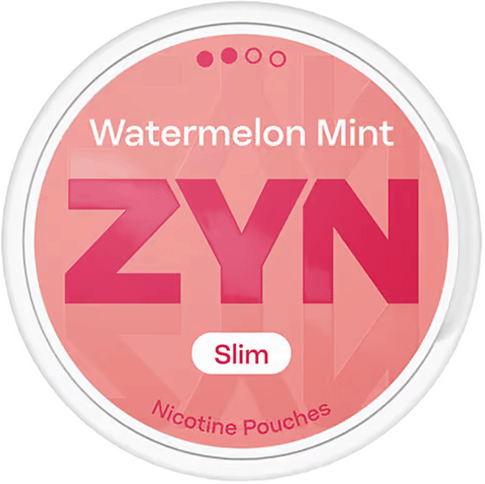
There are also differences in how a pouch feels. Some are slimmer, some are more moist, and some release flavour more quickly. These details sound minor until a product is used regularly. A pouch that feels bulky under the lip may be fine for short periods but annoying during work or study. A drier pouch may feel tidier but deliver a different sensation. This is why format matters as much as strength for many adults.
Cost and availability without the guesswork
Tobacco products are widely recognised, but availability and price per can or packet can vary by product type, shop and location. Nicotine pouches have their own pricing logic, often based on can quantity, strength category and flavour range. It is sensible to compare like with like. A larger can may look more expensive at first glance but may last longer, while a smaller can can be useful for trying a flavour before committing to more.
Product availability also differs. A local shop may stock only a handful of tobacco lines, while an online retailer can organise products by strength and flavour, including a broad brand range. For adults over 18, that makes it easier to compare options without relying on whatever happens to be on the shelf. It also brings a responsibility to read product information carefully, especially strength, pouch count and flavour description.
Many adults choose to buy nicotine pouches after comparing the practical side of use: how discreet they are, how strong they feel, which flavours are tolerable and how easy it is to keep a consistent routine. Those factors often matter more than the packaging. A product that looks appealing but feels uncomfortable is unlikely to be useful for long.
Which option suits different adults?
Traditional tobacco may suit adults who value the existing ritual of smoking, who are not bothered by smoke or smell, and who already have a stable pattern they understand. It may also suit those who prefer products they know from experience and who are not trying to change the way they consume nicotine. That familiarity has limits, though. Smoking carries well-known health risks, and any ongoing tobacco use deserves serious thought.
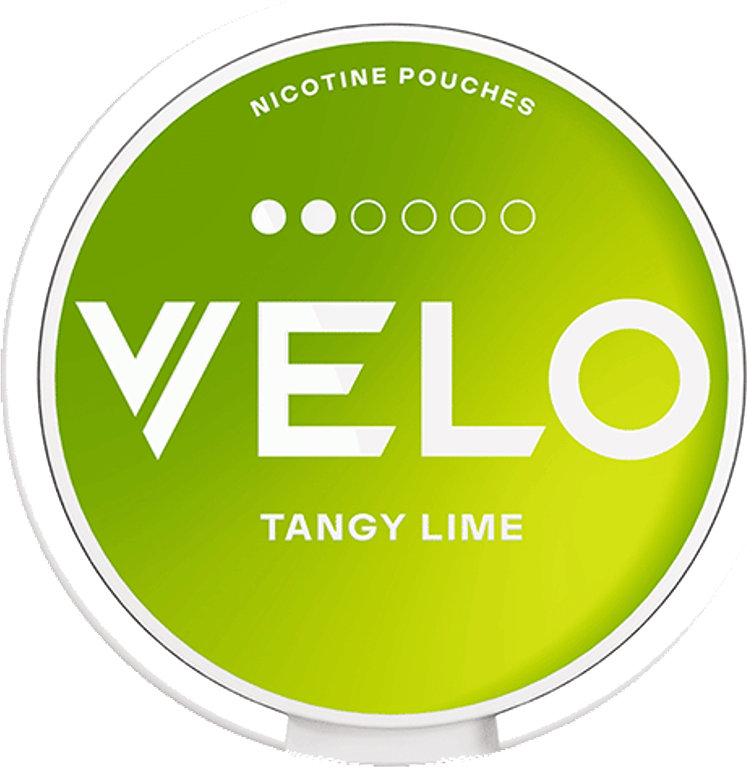
Nicotine pouches may suit adults who want to avoid smoke and ash, reduce the visible signs of nicotine use, or gain clearer control over strength and flavour. They can be convenient for people who want something small and straightforward, provided they are used responsibly. They may not suit everyone. Some users dislike having a pouch in the mouth, find certain flavours irritating, or notice that discreet use makes it easier to consume more than intended.
Age matters too. Nicotine pouches are for adults aged 18 and over, and age verification is part of responsible sale. Nicotine can affect developing brains, so these products are not for young people, pregnant people or those who have been advised to avoid nicotine. Anyone with a medical condition or taking medication should seek appropriate advice before using nicotine products.
Making a practical comparison
When comparing nicotine pouches with tobacco, ignore vague claims and focus on observable features. Ask what the product contains, how nicotine is delivered, how strong it is, how it is used, and whether the format fits daily life. If a person smokes mainly because of the break or the hand-to-mouth habit, a pouch may not replace the full routine. If the main issue is smoke, smell and convenience, the pouch format may be more relevant.
It is also worth separating preference from dependence. A flavour may be enjoyable, but the reason a product is repeatedly used may be nicotine dependence. Keeping track of use over a week can reveal whether a product fits naturally or whether it is being used simply because it is always within reach. That awareness helps adults make choices with fewer surprises.
Neither option should be treated as harmless. Traditional tobacco involves combustion or tobacco leaf, while nicotine pouches still contain an addictive substance. The sensible comparison is not about finding a perfect product. It is about understanding the trade-offs and choosing a form that fits an adult's needs while keeping use deliberate, moderate and informed.